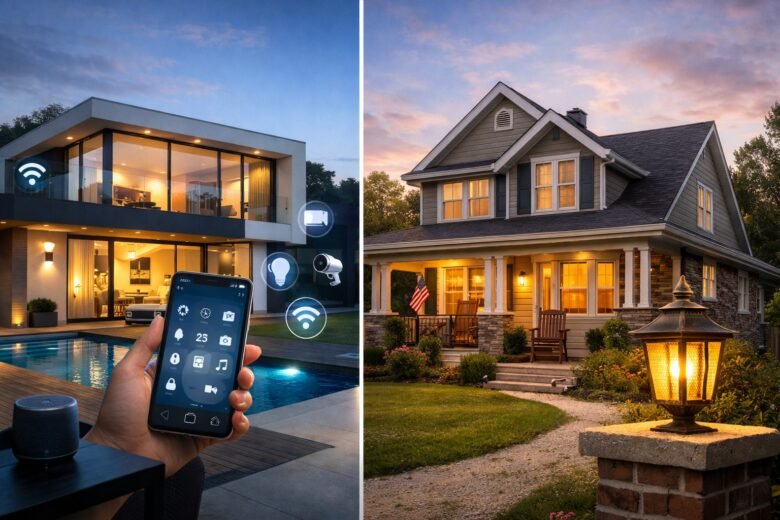
In 2026, the debate between smart homes and traditional homes is more relevant than ever. As technology continues to evolve, prospective homeowners are faced with the challenge of making informed decisions about their living environments. The allure of smart homes—equipped with advanced automation, energy efficiency, and enhanced security—compares starkly with the comfort and familiarity of traditional homes. With the increasing availability of smart devices and the growing importance of sustainability, many wonder: is investing in a smart home truly worth it?
Imagine walking into your home, and with a simple voice command, the lights come on, the thermostat adjusts to your preferred temperature, and your favorite music starts to play. Now contrast that with a traditional home where you manually adjust each element. Many individuals find the ease and convenience of smart homes appealing, yet they also value the charm and predictability of traditional living spaces. This scenario highlights a common dilemma faced by many in 2026: balancing modern convenience with traditional comfort.
This article promises to provide actionable insights into both smart homes and traditional homes, focusing on their pros and cons, costs, and long-term benefits. By the end of this guide, you’ll be empowered to make a decision that aligns with your lifestyle, financial situation, and future aspirations.
Why This Problem Happens / Why This Topic Matters
The choice between smart homes and traditional homes is influenced by various factors, including:
- Technological Advancements: Rapidly evolving smart home technologies can overwhelm consumers, making it hard to keep pace with what’s available or necessary.
- Cost Considerations: The upfront investment in smart technologies can be daunting, especially for first-time homebuyers. It’s important to understand both the immediate costs and potential long-term savings.
- Lifestyle Needs: Different lifestyles require different living environments. Families, singles, and retirees all have unique needs that may influence their choice.
- Sustainability Trends: With environmental concerns at the forefront, many homeowners are interested in energy-efficient options, which can be more prevalent in smart homes.
- Security and Privacy: Smart homes offer enhanced security features, but they also raise concerns about data privacy and cyber threats.
Understanding these factors is crucial as they dictate why more people are leaning towards smart homes and how traditional homes can still appeal to many.
Step-by-Step Core Guide / Main Solutions
Step 1: Assess Your Current Living Situation
Start by evaluating your current home. Identify the areas where you struggle with convenience, comfort, or efficiency. This self-assessment is vital to understanding what features you want in your next home.
Pro Tip: Create a list of must-haves versus nice-to-haves to guide your decisions.
Step 2: Research Smart Home Technologies
Familiarize yourself with the latest smart home technologies available in 2026. Look into devices like smart thermostats, lighting systems, and security cameras. Understanding the options will help you make informed decisions.
Pro Tip: Visit home improvement stores or tech expos to see devices in action.
Step 3: Compare Costs
Calculate the total costs of integrating smart technologies versus maintaining a traditional home. Consider installation fees, device purchases, and ongoing service subscriptions.
Pro Tip: Use budgeting apps to track potential expenses and savings over time.
Step 4: Evaluate Energy Efficiency
Smart homes often feature energy-efficient designs and devices. Research how these technologies can reduce your utility bills. For instance, smart thermostats can save up to 15% on heating and cooling costs.
Pro Tip: Look for energy efficiency certifications when selecting devices.
Step 5: Explore Security Features
Investigate the security benefits of smart homes, such as smart locks and surveillance systems. Compare these features with traditional home security measures.
Pro Tip: Consider a home security audit to assess your current safety measures.
Step 6: Consider Maintenance Needs
Understand the maintenance requirements of smart homes, which may include software updates and device management. Compare this with the maintenance of traditional homes.
Pro Tip: Set reminders for regular device updates and check-ins.
Step 7: Seek Reviews and Testimonials
Read reviews and testimonials from current smart home users. Real-life experiences can provide insight into potential challenges and benefits.
Pro Tip: Join online forums or social media groups dedicated to smart home enthusiasts.
Step 8: Think About Resale Value
Research the resale value of smart homes versus traditional homes in your area. Smart home features can significantly enhance a property’s marketability.
Pro Tip: Consult with a real estate agent knowledgeable about your local market trends.
Step 9: Evaluate Your Lifestyle Compatibility
Consider how a smart home aligns with your lifestyle. For instance, busy professionals might benefit from automation, while those who prefer simplicity might lean towards traditional homes.
Pro Tip: Test out smart devices in a friend’s home before committing to a purchase.
Step 10: Plan for Future Upgrades
If you opt for a traditional home, consider how you might integrate smart features later. Planning for upgrades can ease the transition.
Pro Tip: Choose a home with existing infrastructure that can support future smart upgrades.
Step 11: Make an Informed Decision
After considering all factors, make your choice. Whether you lean towards a smart home or a traditional one, ensure it meets your needs and lifestyle.
Pro Tip: Create a pros-and-cons list for both options to visualize your decision.
Step 12: Implement and Enjoy
Once you’ve made your choice, implement the necessary changes or upgrades and enjoy your new living environment, whether smart or traditional.
Pro Tip: Regularly reassess your home environment and adapt as needed to maintain comfort and efficiency.
Advanced Optimization / Expert Tips
- Integrate with Renewable Energy: Consider solar panels for your smart home to enhance energy efficiency and reduce utility costs long-term.
- Utilize Smart Sensors: Implement sensors for monitoring energy usage and optimize device performance accordingly.
- Stay Updated on Innovations: As smart technology advances, keep an eye on new devices that can further enhance your living experience.
- Create a Smart Home Ecosystem: Choose devices that work seamlessly together to maximize efficiency and user experience.
Long-Term Maintenance / Best Practices
- Regularly update software on smart devices.
- Schedule periodic checks of security systems.
- Create a maintenance calendar for all devices.
- Educate household members on using smart technologies.
- Keep a spare key for traditional locks in case of device failure.
Frequently Asked Questions
What are the main benefits of a smart home?
Smart homes offer convenience, energy efficiency, enhanced security, and the potential for cost savings over time.
Are smart homes more expensive to maintain?
While the initial investment can be higher, smart homes may reduce utility bills and maintenance costs in the long run.
Can I convert my traditional home into a smart home?
Yes, many smart devices can be retrofitted into existing homes, allowing you to enjoy the benefits of smart technology without building a new home.
What should I look for when choosing smart devices?
Consider compatibility, energy efficiency ratings, user reviews, and whether the devices can be integrated into a larger smart home system.
Are there privacy concerns with smart homes?
Yes, data privacy is a valid concern. Ensure you choose reputable brands and understand their data policies before purchasing.
Conclusion
The choice between a smart home and a traditional home ultimately hinges on personal preferences, lifestyle needs, and long-term goals. By conducting thorough research and following the actionable steps outlined in this guide, you can confidently navigate this decision. Embrace the transformation that suits your lifestyle and commit to regular maintenance to reap the benefits of your living space for years to come. Whether you opt for the convenience of a smart home or the charm of a traditional one, the key is to create an environment that feels like home.